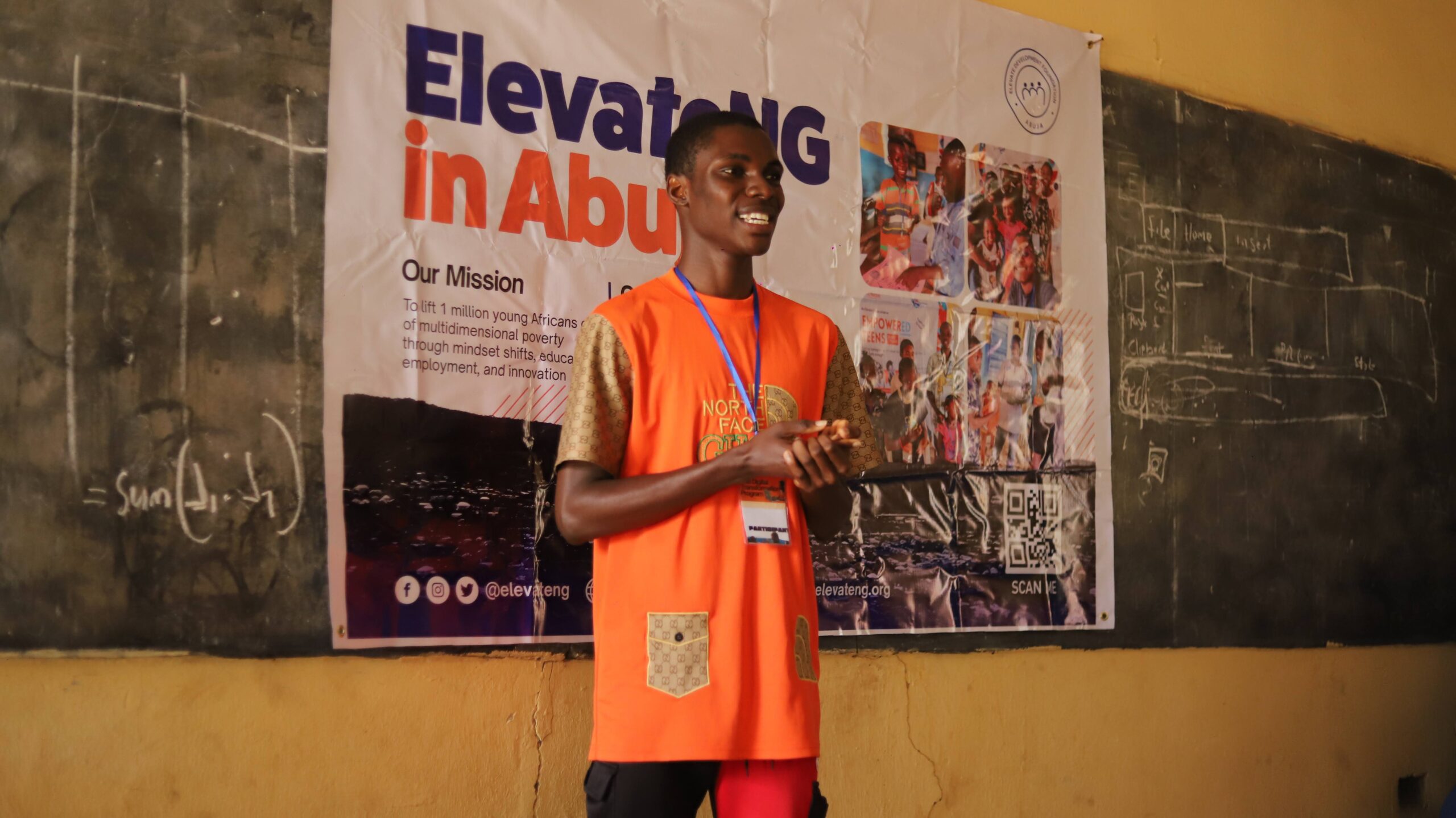
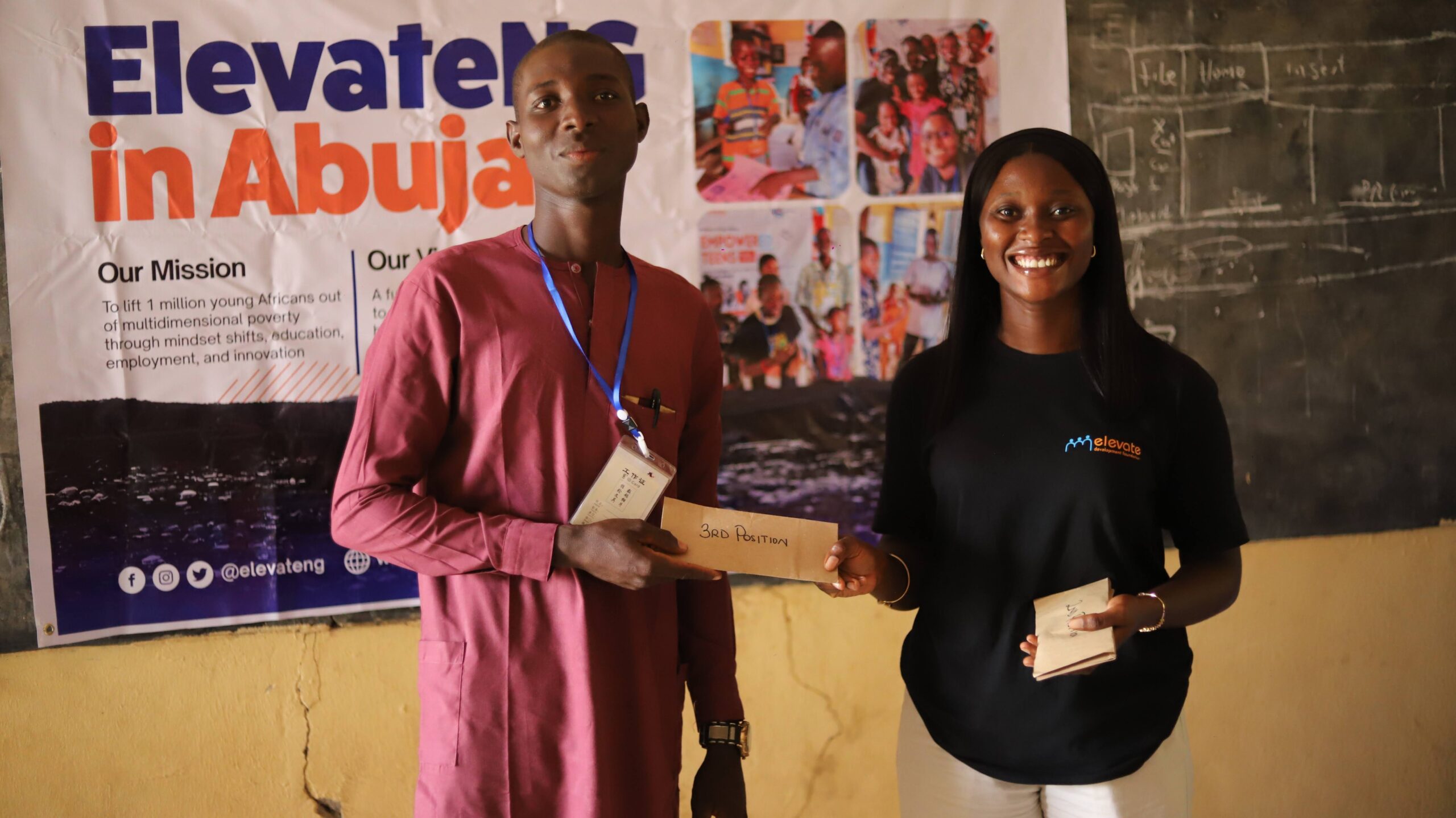
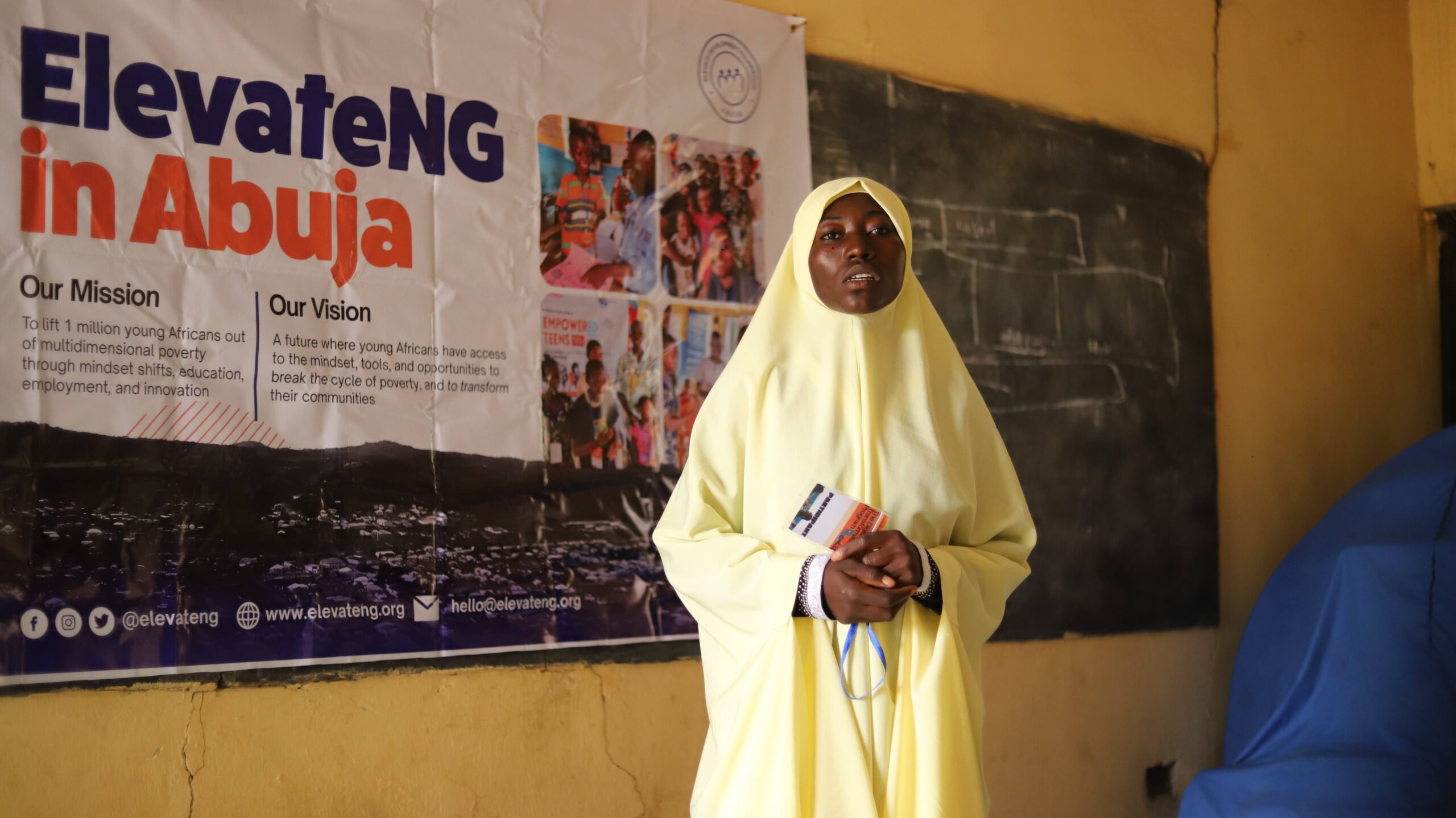
A 4-session intensive program that brought foundational digital literacy to the Paikon-Kore community in Abuja — from computer basics to graphic design.
The Digital Skills Training Program was designed to equip young adults aged 17–25 in Paikon-Kore with essential digital competencies — opening new pathways in education, entrepreneurship, and employability.
This initiative aligns with ElevateNG's mission of educating, enlightening, and empowering vulnerable Nigerians in underserved communities. Over four carefully structured workshops, participants moved from minimal computer familiarity to confidently navigating digital tools.
The program covered Computer Appreciation, Microsoft Word, Microsoft Excel, and Mobile Graphic Design — culminating in a Capstone Project and Certificate Award Ceremony. Participants gained practical, hands-on skills directly applicable to their personal and professional lives.
Each session built on the last — moving participants from foundational computer literacy to creative digital expression and entrepreneurial thinking.
The introductory session built foundational understanding of computer systems — hardware, software identification, and startup/shutdown processes. Participants were highly engaged from the start, with clear enthusiasm for the learning journey ahead.
📝 Assignment: Draw and label a detailed computer keyboard on cardboard to reinforce key functions.
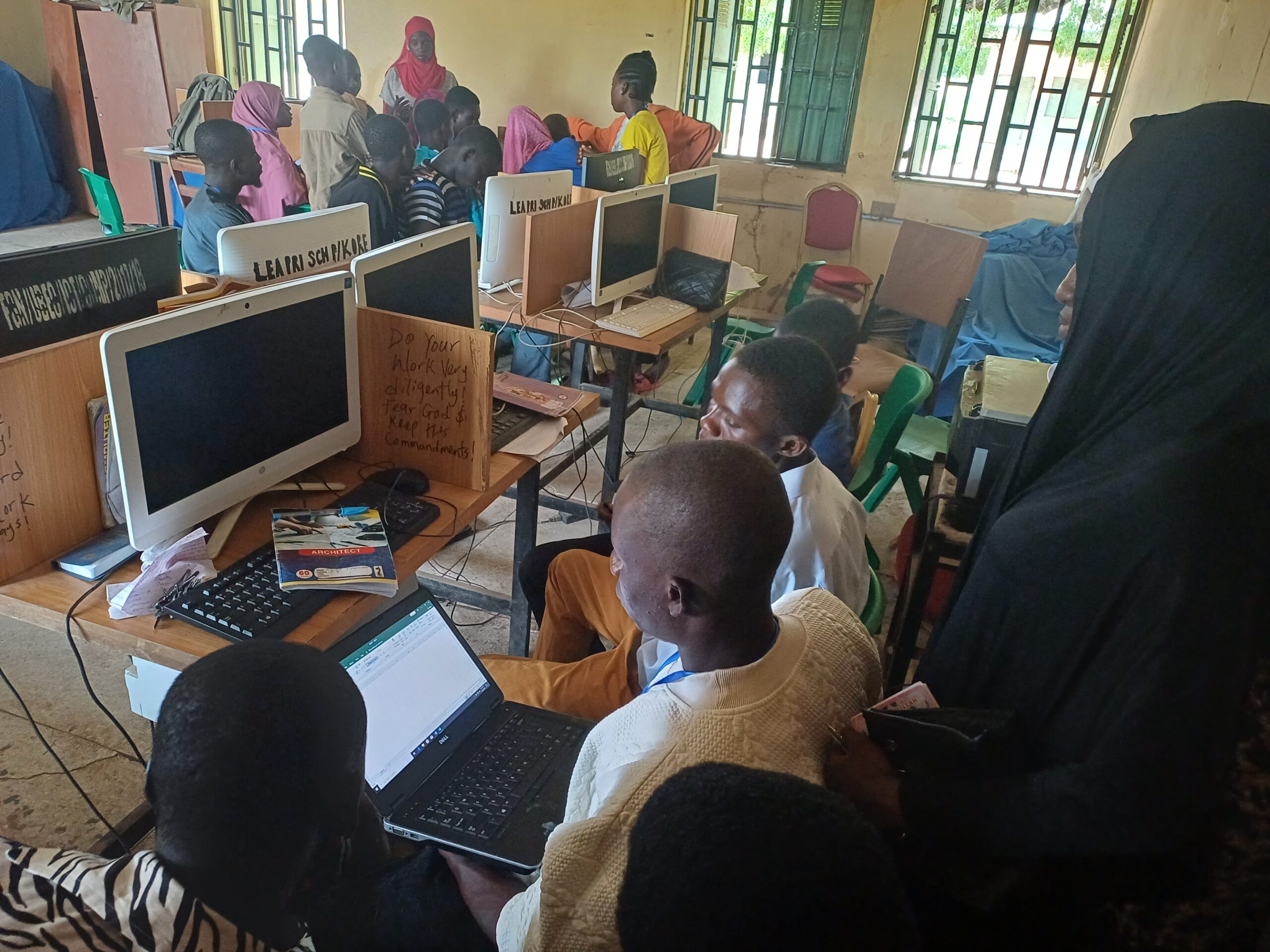
Participants discovered the power of digital document creation — navigating the Word interface, creating structured documents, and exploring the broader Microsoft Office suite. Over 60% submitted Session 1 assignments, signalling growing commitment.
📝 Assignment: Write an essay on a community problem you want to solve and how you would solve it.
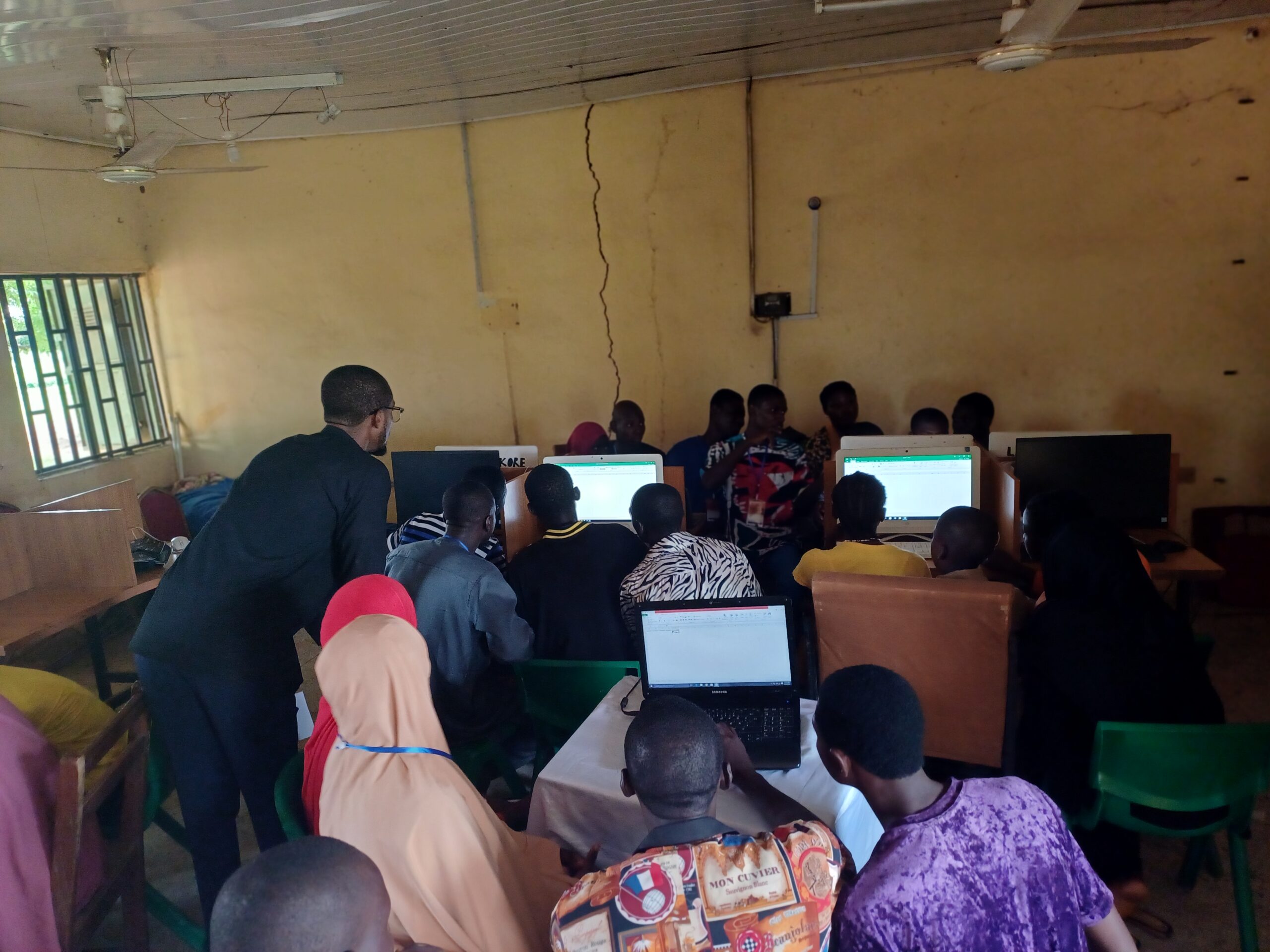
Participants were introduced to data organisation, basic formulas, pivot tables, and chart creation. Attendance peaked at ~70% of registered participants. Essay presentations from Session 2 built confidence in public speaking and collaborative thinking.
📝 Assignment: Develop a detailed plan in Microsoft Word, saved in a properly organised folder.
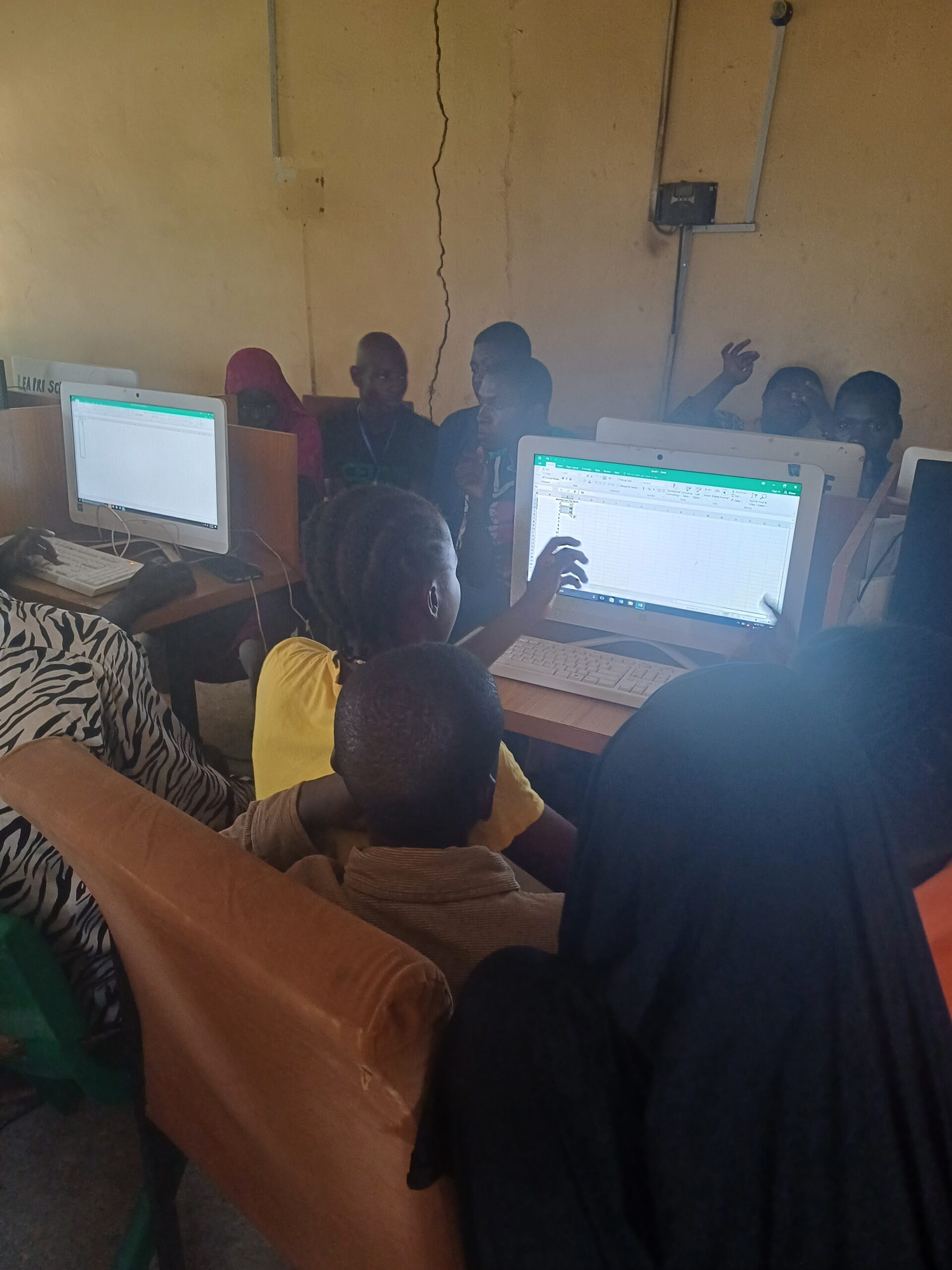
The final session introduced Canva for mobile design — creating flyers and social media posts. A public speaking module built presentation confidence. The Capstone Project challenged participants to develop full business plans integrating all skills learned. Top 3 performers received special recognition.
🏆 Capstone: Design and present a business plan using digital tools acquired throughout the programme.
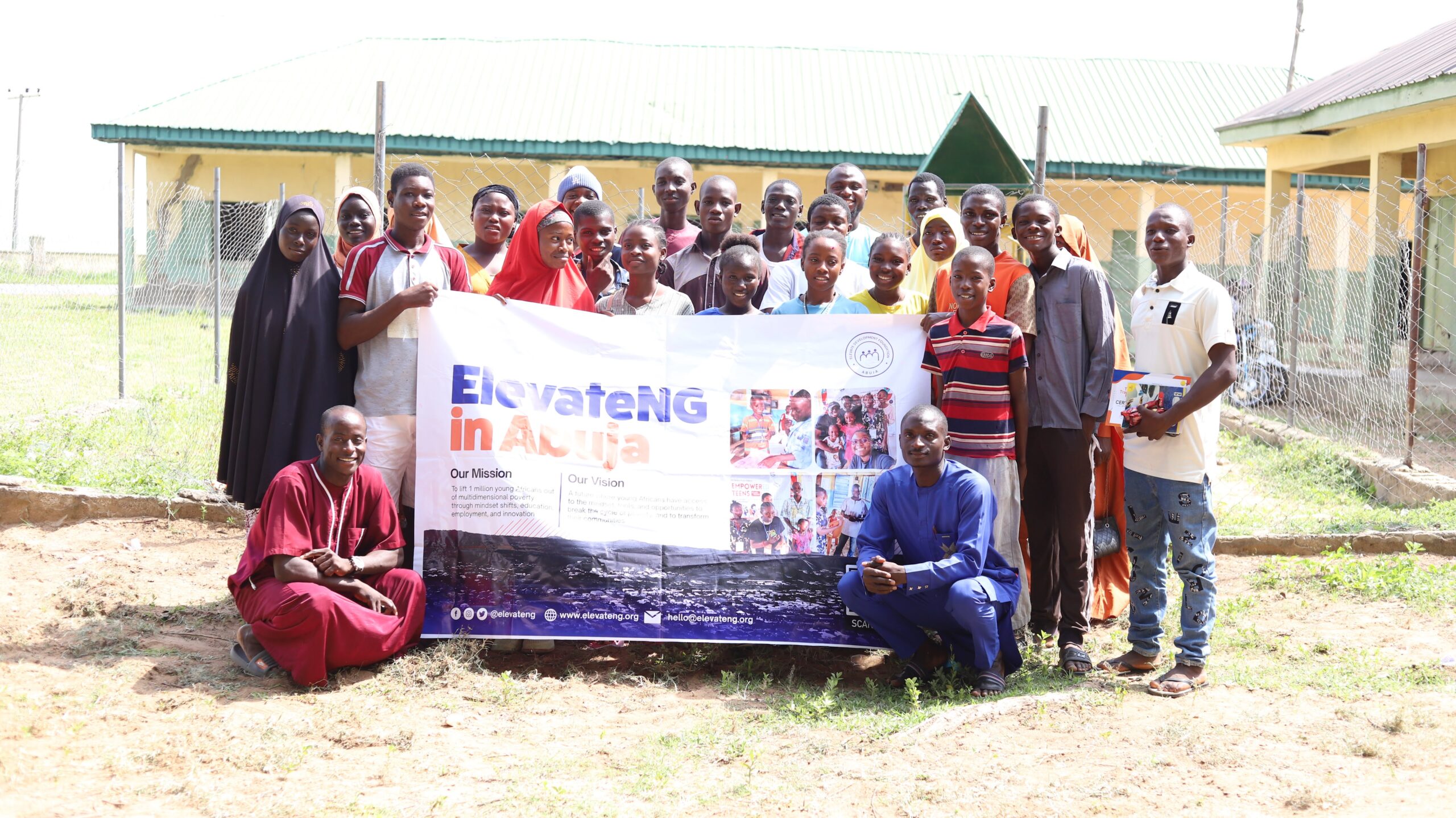
While the programme aimed to reach 100 youth, the 25 who completed the full training experienced transformational growth — in skills, confidence, and sense of purpose.
Participant reflection
"It has increased my mindset and built my skill."
— DTP Participant, Paikon-Kore
Feedback collected at the final session reflected strong satisfaction and a clear sense of personal growth across all four learning areas.
I learned how to operate a computer
I learned about hardware and software components — the session was very clear.
I didn't know I could design with Microsoft Word. It was a real discovery for me.
I couldn't do my assignments because I don't have a personal phone or laptop — I hope future sessions find a way to support that.
The practical activities were the most appreciated part. Hands-on learning is what makes the difference.
It has increased my mindset and built my skill. I feel more prepared for what is ahead.
Transparency about what constrained the programme helps us design better future iterations and make the case for the resources needed to deliver at scale.
Only 1 laptop was available for 27 participants in Session 1. Mid-programme support from the host school improved this to 11 devices — 8 desktops and 3 laptops — but early engagement was limited.
Power outages during Session 3 required the rental of a generator to continue the class, adding unforeseen logistical and financial pressure.
Several participants lacked personal phones or laptops, preventing them from completing WhatsApp-distributed assignments at home — a significant barrier to between-session learning.
Limited internet connectivity meant feedback collection was entirely manual using printed forms, and real-time data tracking was not possible during sessions.
The programme set out to reach 100 youth; 48 registered and 25 completed the full course. Community mobilisation and retention strategies will be critical for future editions.
Session 1 began later than scheduled. While this did not significantly affect learning outcomes, building in buffer time and clearer community scheduling will be important going forward.
These five recommendations are grounded in participant feedback and facilitator observation — practical steps to elevate the programme's reach and impact.
Ensure every venue has a generator or UPS backup arranged before sessions begin. Power disruptions must not interrupt learning time.
Aim for 1 device per 2–3 learners minimum. Partner with hardware donors or device-lending organisations to scale hands-on access.
Equip volunteers with mobile data to run online surveys in real-time. This enables faster insights and richer data for future reports.
Provide physical takeaway materials for participants without personal devices — ensuring learning continues beyond the classroom.
Adopt small group or peer-mentoring formats to ensure personalised support and inclusive learning — especially for those who fall behind.
We extend our heartfelt appreciation to all who made the Digital Transformation Programme a success. Special thanks go to Digiminds Academy for their invaluable partnership and facilitation expertise. We recognise the dedication of our Elevate Volunteer Team, whose commitment to logistics, coordination, and delivery ensured every session ran smoothly. Finally, we appreciate the Community Leaders of Paikon-Kore for their vital role in mobilisation and their continuous encouragement — which significantly enhanced community participation and programme impact.
The Digital Transformation Programme in Paikon-Kore is one step toward ElevateNG's mission to lift 1 million young Africans out of multidimensional poverty. Every certificate awarded, every skill learned, every mindset shifted — is proof that the work matters.